Table of Contents
Meal Prep Containers: The Ultimate Guide for Bulk Importers (2026)
Wholesale meal prep containers are high-demand products for global bulk importers. Everything wholesale buyers need to know about sourcing meal prep containers — from material selection and certification to packaging and supplier evaluation.
The Market Boom for Wholesale Meal Prep Containers
Meal prep has shifted from a fitness niche to mainstream behavior. Working professionals, busy parents, and health-conscious consumers all seek containers that keep food fresh, stack efficiently, and transition from fridge to microwave to table.
For importers and retailers, meal prep containers offer:
-
- High repeat purchase rates — Consumers build collections over time
-
- Strong cross-sell potential — Pair with insulated lunch bags, water bottles
-
- Year-round demand — Not seasonal like holiday or outdoor goods
-
- Multiple price points — Budget glass, mid-range plastic, premium systems
Product Architecture: What Makes a Good Meal Prep Container?
The Three Essentials
-
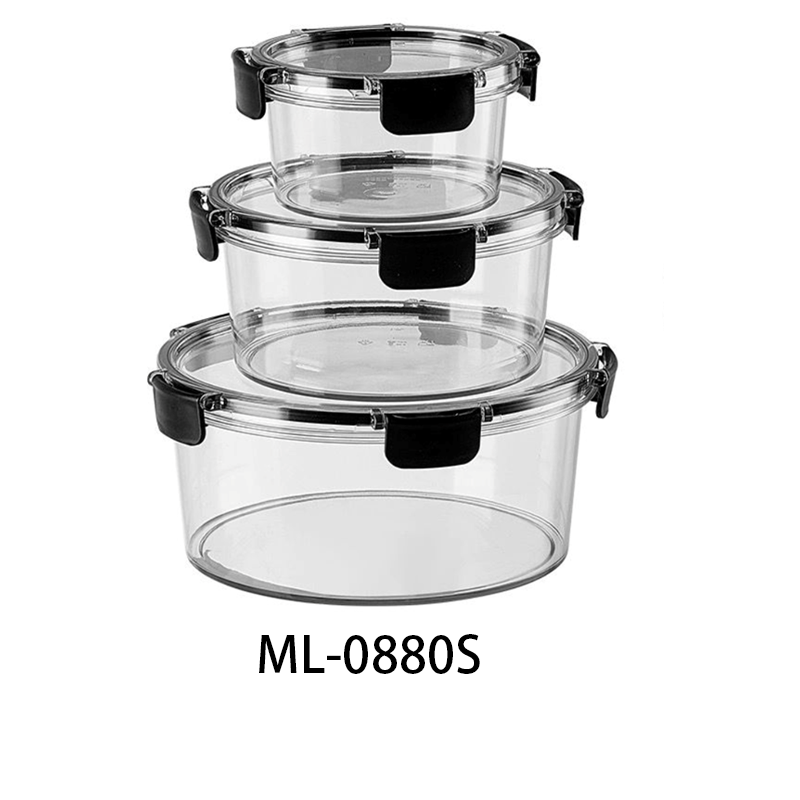
- Airtight Seal: Snap-lock lids with silicone gaskets prevent leaks and keep food fresh 5–7 days refrigerated
-
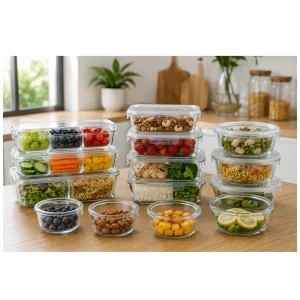
- Compartment Design: Divided sections keep flavors separate — 2, 3, or 4 compartments per container
-
- Material Compatibility: Must handle fridge, freezer, microwave, and dishwasher
Size Configurations
| Configuration | Total Capacity | Compartment Sizes | Best For |
|---|---|---|---|
| 2-compartment | 24–32 oz | 12+12 oz or 16+16 oz | Lunch + snack |
| 3-compartment | 32–40 oz | 8+8+16 oz or 10+10+20 oz | Full meal |
| 4-compartment | 40–48 oz | 8+8+8+16 oz | Bento-style |
| Single large | 28–36 oz | Undivided | Batch cooking, soups |
Material Comparison: Plastic vs Glass vs Hybrid
Importers can source different styles of wholesale meal prep containers, including lightweight plastic, premium borosilicate glass and practical hybrid combinations to match diverse market demands.
Plastic (PP/PET) — The Volume Leader
Advantages:
-
- Lightweight — lower shipping costs
-
- Shatterproof — ideal for kids, travel
-
- Microwave safe — convenient reheating
-
- Lower unit cost — accessible price points
Considerations:
-
- Staining from tomato/curry
-
- Not oven safe
-
- Consumer concerns about plastic
Best for: Budget lines, kids’ products, high-volume promotional items
Glass (Borosilicate) — The Premium Tier
Advantages:
-
- Stain and odor resistant
-
- Oven safe (up to 450°F)
-
- Premium perception — gift-worthy
-
- Indefinite lifespan
Considerations:
-
- Heavier — higher shipping costs
-
- Breakage risk — protective packaging required
-
- Higher unit cost
Best for: Premium retail, corporate gifts, eco-conscious positioning
Hybrid Systems — The Versatile Choice
Plastic containers with glass inserts, or glass bodies with plastic lids. Combines benefits:
-
- Glass food contact surface
-
- Lightweight, shatter-resistant lids
-
- Moderate price point
Key Features That Drive Sales
When comparing wholesale meal prep containers, these practical features directly affect retail turnover and customer repurchase rates.
1. Leak-Proof Lids
The #1 consumer complaint is leaks. Look for:
-
- 4-side snap locks — Superior to 2-side
-
- Silicone gaskets — Removable for cleaning, replaceable
-
- Pressure equalization valve — Prevents vacuum lock in microwave
2. Stackable Design
Nesting containers save cabinet space and improve retail display density:
-
- Identical shapes nest efficiently
-
- Lids should stack separately or snap to base
-
- Rectangular shapes maximize space utilization
3. Portion Control Markings
Interior measurement lines (cups, ounces, milliliters) add value:
-
- Appeals to fitness/weight-loss market
-
- Differentiates from commodity containers
-
- Justifies premium pricing
4. Venting for Microwave
Steam-release tabs or vented lids prevent:
-
- Warping from pressure buildup
-
- Splatter during heating
-
- Difficult lid removal after heating
Certification Requirements
When negotiating orders for wholesale meal prep containers, confirm all food safety documents in advance.
Food Contact Compliance
| Market | Required Certification |
|---|---|
| USA | FDA 21 CFR (plastic), FDA glass testing |
| EU | EU 10/2011 (plastic), LFGB (glass) |
| Canada | Health Canada SOR/2018-69 |
| Australia | AS 2070 |
BPA-Free Verification
Even for PP (which doesn’t contain BPA), buyers increasingly require BPA-free certification:
-
- Third-party lab testing
-
- Certificate of compliance from manufacturer
-
- Traceability to raw material lots
Additional Testing
For premium positioning:
-
- LFGB: German food contact standard — stricter than EU baseline
-
- Prop 65: California — heavy metals testing
-
- CPSIA: If marketed for children — lead limits
Supplier Evaluation: Meal Prep Specifics
Production Capability Questions
-
- Injection molding capacity: How many molds running simultaneously?
-
- In-house mold making: Faster modifications, lower tooling costs
-
- Silicone gasket sourcing: In-house or outsourced? Quality control?
-
- Decoration capability: IML (in-mold labeling), pad printing, laser etching
Quality Control Checkpoints
-
- Dimensional accuracy (lid fit is critical)
-
- Drop testing (for glass)
-
- Dishwasher cycle testing (50+ cycles)
-
- Microwave heating tests (multiple food types)
-
- Freezer-to-microwave transition tests
Ask to See
-
- Sample inspection reports
-
- Lid seal testing data
-
- Customer complaint records (if willing to share)
-
- Photos of QC stations on production line
MOQ and Pricing Benchmarks
Pricing and MOQ are core concerns when purchasing wholesale meal prep containers from Chinese manufacturers.
Typical MOQs
| Product Type | Standard MOQ | Custom Color MOQ | Custom Mold MOQ |
|---|---|---|---|
| Plastic container | 1,000–2,000 | 2,000–3,000 | 10,000+ |
| Glass container | 500–1,000 | 1,000–2,000 | 5,000+ |
| Silicone lids | 2,000+ | 3,000+ | N/A |
FOB Pricing (China, 2026)
| Product | Size | Material | FOB Range |
|---|---|---|---|
| 2-compartment | 28 oz | PP | $0.80–$1.50 |
| 3-compartment | 36 oz | PP | $1.00–$2.00 |
| Glass with lid | 32 oz | Borosilicate | $2.50–$4.50 |
| Hybrid system | 36 oz | Glass+PP | $2.00–$3.50 |
| Silicone lid | 8″ round | Silicone | $0.50–$1.00 |
Pricing assumes 2,000+ unit orders. Tooling costs: $3,000–$8,000 per new mold.
Customization Options
Decoration Methods
| Method | Setup Cost | Durability | Best For |
|---|---|---|---|
| IML (in-mold label) | $200–$500 | Permanent | Branding, instructions |
| Pad printing | $50–$100 | Good | Logos, measurement marks |
| Laser etching | $0 | Permanent | Glass, premium plastic |
| Silk screen | $30–$75/color | Moderate | Multi-color logos |
Color Options
-
- Standard: Clear, white, black, blue, green
-
- Premium: Matte finishes, two-tone (base + lid)
-
- Custom: Pantone matching (MOQ 3,000+)
Packaging Variations
-
- Individual retail boxes with window
-
- Multi-packs (3, 5, 7, 10 piece sets)
-
- Bulk polybag for food service
-
- Gift-ready with ribbon/closure
Common Mistakes to Avoid
Sourcing defective wholesale meal prep containers can trigger customer returns and damage your retail reputation.
1. Ignoring Lid Quality
A great container with a poor lid fails in the market. Budget on lids should equal container body.
2. Overlooking Freezer Performance
Many containers crack at freezer temps. Verify -4°F (-20°C) testing.
3. Skipping Long-Term Seal Testing
Seals that work new may degrade after 20 dishwasher cycles. Request extended testing data.
4. Underestimating Packaging Costs
Glass requires substantial protective packaging. Factor 15–25% additional cost.
5. Not Testing with Real Foods
Lab tests use water; real foods (tomato sauce, oily dishes) behave differently. Request food-type testing.
Bundling Strategies
Many retailers boost sales revenue by selling wholesale meal prep containers in pre-combined sets.
Meal prep containers sell well in sets:
| Bundle Type | Contents | Retail Positioning |
|---|---|---|
| Starter set | 3× 2-comp + 2× 3-comp | Beginner meal prepper |
| Family pack | 10× mixed sizes | Household bulk |
| Complete system | 7 containers + insulated bag | Premium, gift |
| Single type bulk | 12× same size | Food service, batch cooking |
Lead Time Planning
| Milestone | Duration |
|---|---|
| Sample production | 7–14 days |
| Sample approval | 5–7 days |
| Production | 20–30 days |
| Inspection | 2–3 days |
| Ocean shipping | 18–35 days |
| Total | 52–89 days |
Peak season (August–October for holiday inventory) extends lead times 20–30%. Book early.
Why Source Meal Prep Containers from Maxlink CN
Maxlink CN manufactures meal prep containers alongside our airtight food storage and fridge organizer lines. Benefits:
-
- Integrated production: Containers, lids, and silicone gaskets from one source
-
- Material expertise: PP, PET, and glass capabilities
-
- Certification ready: FDA, LFGB, BPA-free documentation
-
- Flexible MOQ: From 1,000 units for custom colors
-
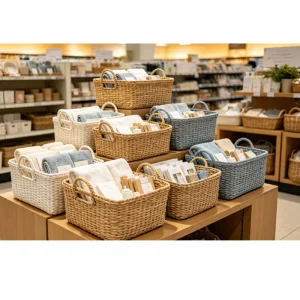
- Combined shipping: Pair with storage bins, produce keepers, woven baskets
Request a wholesale quote for wholesale meal prep containers — we’ll provide pricing, samples, and compliance documentation.
- Phone: +86(574)13777982897
- mail: [email protected]
- Address: Ningbo City, Zhejiang Province, P. R. China
