Table of Contents
Cereal and Grain Storage Canisters (2026): Keeping Dry Goods Fresh and Bugs Out
How To Source Premium Cereal Storage Canisters
Cereal storage canisters are essential pantry organizers designed to keep dry grain food fresh. Choosing high-quality cereal storage canisters brings huge advantages for wholesale importers and retail brands.
Most dry-goods waste does not happen because someone cooked too much. It happens because the cereal went soft, the flour went weevil-y, the rice absorbed the damp, or the brown sugar turned to stone. In every case the failure is the same: the food was not sealed. A cereal bag rolled over and clipped is not a sealed container; a rubber-band fold is even less of one. The category that fixes this is narrow and clear — airtight canisters — and it is the part of the pantry most worth getting right first, because everything else in the dry pantry depends on it. This is the layer our pantry organization system guide calls the sealed tier, and here we go deeper on how to select reliable cereal storage canisters.
Why Canisters, Not Containers
The distinction sounds pedantic but it matters. A food storage container is a general category – some seal, some do not, some are microwave trays, some are fridge boxes. A canister is a specific thing: a tall, dry-goods vessel with a true airtight seal, sized to a single ingredient, kept on a shelf. Cereal, flour, rice, oats, sugar, pasta, coffee beans, legumes, the long-binned dry goods that need months of freshness, not days.
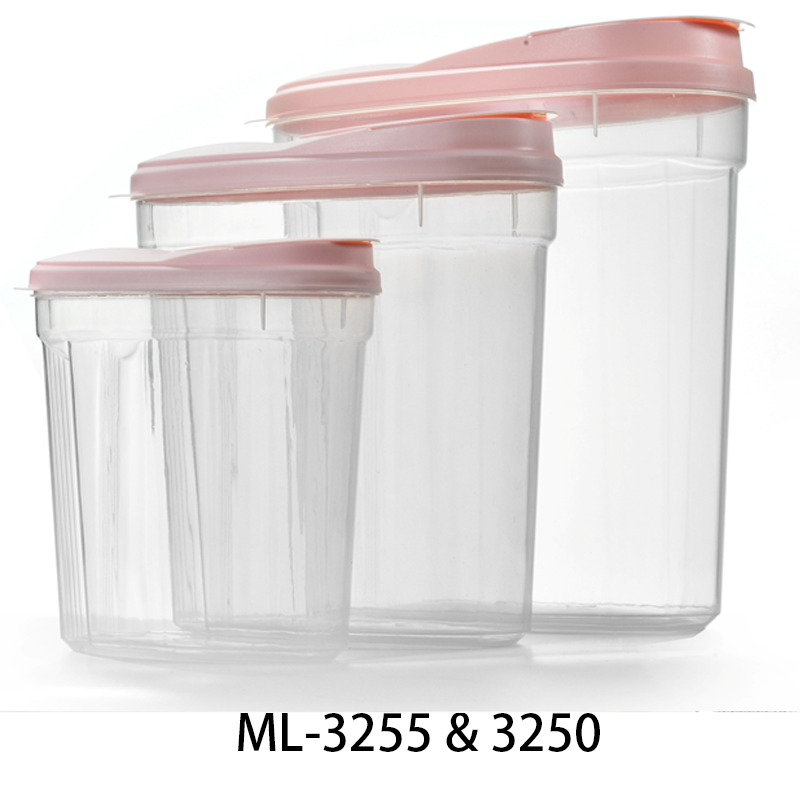
The cereal and grain storage canisters range exists because these goods have needs the general airtight food storage containers line does not always meet – tall bodies for long pasta, large volumes for cereal, light-blocking walls for coffee, and a lid that seals against a dry ingredient, not a wet one.
Key Features of High-Quality Cereal Storage Canisters
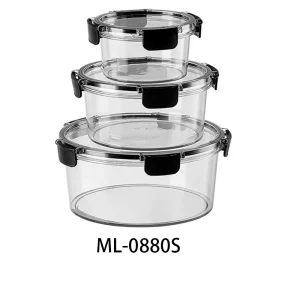
Seals out air and moisture. The single job. A four-click or silicone gasket lid that holds negative pressure when you press it is what actually keeps cereal crunchy and rice dry. A “snap” lid without a seal is a dust cover, not a canister.
Blocks light where it matters. Clear walls let you see the contents – which everyone wants – but light ages coffee, rice oil, and some grains faster. A line with both clear canisters (for cereal, rice, pasta) and tinted or amber canisters (for coffee, seeds, oils) covers both needs.
Sized to the bag. A cereal canister sized to a standard cereal bag, a rice canister to a 2-5kg bag, a flour canister to a 1-2kg bag. Over-sized canisters leave air and speed staleness; under-sized ones force you to decant and store the rest, which defeats the canister.
Tall bodies for long goods. Spaghetti, linguine, and long grains sit whole in a tall canister and break in a short one. The tall SKU is the one most pantries miss and the one that stops the broken-pasta-in-the-pantry problem.
Pourable where you need it. A cereal canister that pours is a daily-use upgrade; a rice canister with a measured pour is a cooking one. Not every canister needs a pour lid, but where the ingredient is shaken out daily, a pouring lid is the difference between used and ignored.
The Pantry-Moth Reality
Worth saying plainly: pantry moths and weevils arrive in the food, not from the air. Eggs already in a bag of flour or grain hatch weeks after you bought it, and a loose-folded bag shares the infestation with the whole shelf. A sealed canister per ingredient stops one outbreak from becoming the whole pantry. Airtight is not only freshness – it is containment, and in a household that bulk-buys it is the difference between losing one canister and losing the shelf.
How Canisters Fit the Pantry Layers
Cereal and grain canisters are the sealed base of the pantry. Above them sits the breathable layer – open woven baskets for the produce that should not be sealed – and the cold layer lives in the refrigerator storage bins. The sealed, breathable, and cold layers each have a job; get the sealed canister layer right and the dry pantry stops being the part of the kitchen that quietly goes stale.
This is also why the canister line carries the most SKUs in a wholesale pantry range. One buyer’s pantry might hold six canisters and two baskets, and the canisters are the part they reorder as the household grows.
Sourcing Tips for Importers and Retailers
Material and food grade. BPA-free PP or PET for the body, food-grade silicone for the gasket. Confirm the food-contact certificate for every canister that holds cereal, flour, rice, or coffee, since these touch food directly and long-term.
Seal testing at production. A lid that passes a hand-press at sample stage can fail at production scale. Confirm the supplier runs a negative-pressure seal test as standard quality control – the cheap place to cut cost on a canister is the gasket, and that is the place most returns start.
A matched size set. Cereal, rice, flour, pasta, sugar as a five-piece matched set – square bodies that stack – is the single SKU bundle that sells the whole pantry. Selling canisters as singles converses less than selling them as a set.
Pour-lid options. A line that offers pour lids on the cereal and rice SKUs, and solid sealed lids on the rest, lets the buyer pick the features that suit each ingredient from one range rather than two.
Light variants. Clear for most, tinted or amber for coffee and oil-rich grains. Stocking both widens the audience – the coffee buyer who would not trust a clear canister is a real one.
Conclusion
Dry-goods waste is almost always a sealing failure, and the cereal and grain canister is the single fix for most of it. Spec them airtight, sized to the bag, tall where the goods are long, and light-blocked where the ingredient needs it, and the dry pantry stops being the part of the kitchen that quietly goes stale. For a wholesale buyer this is the highest-volume layer of the pantry range and the easiest set to sell as a bundle.
MaxLink CN manufactures cereal and grain storage canisters alongside the wider kitchen storage range – BPA-free bodies, food-grade gaskets, matched size sets, pour-lid options, and private-label packaging through our OEM and ODM program. Tell us the bag sizes and pantry layouts you sell into and we will spec the canister set.
Categories
- Phone: +86(574)13777982897
- mail: [email protected]
- Address: Ningbo City, Zhejiang Province, P. R. China
Cereal and Grain Storage Canisters (2026): Keeping Dry Goods Fresh and Bugs Out
Most dry-goods waste does not happen because someone cooked too much. It happens because the cereal went soft, the flour went weevil-y, the rice absorbed the damp, or the brown sugar turned to stone. In every case the failure is the same: the food was not sealed. A cereal bag rolled over and clipped is not a sealed container; a rubber-band fold is even less of one. The category that fixes this is narrow and clear – airtight canisters – and it is the part of the pantry most worth getting right first, because everything else in the dry pantry depends on it. This is the layer our pantry organization system guide calls the sealed tier, and here we go deeper on what to choose.
Why Canisters, Not Containers
The distinction sounds pedantic but it matters. A food storage container is a general category – some seal, some do not, some are microwave trays, some are fridge boxes. A canister is a specific thing: a tall, dry-goods vessel with a true airtight seal, sized to a single ingredient, kept on a shelf. Cereal, flour, rice, oats, sugar, pasta, coffee beans, legumes, the long-binned dry goods that need months of freshness, not days.
The cereal and grain storage canisters range exists because these goods have needs the general airtight food storage containers line does not always meet – tall bodies for long pasta, large volumes for cereal, light-blocking walls for coffee, and a lid that seals against a dry ingredient, not a wet one.
What a Good Cereal and Grain Canister Does
Seals out air and moisture. The single job. A four-click or silicone gasket lid that holds negative pressure when you press it is what actually keeps cereal crunchy and rice dry. A “snap” lid without a seal is a dust cover, not a canister.
Blocks light where it matters. Clear walls let you see the contents – which everyone wants – but light ages coffee, rice oil, and some grains faster. A line with both clear canisters (for cereal, rice, pasta) and tinted or amber canisters (for coffee, seeds, oils) covers both needs.
Sized to the bag. A cereal canister sized to a standard cereal bag, a rice canister to a 2-5kg bag, a flour canister to a 1-2kg bag. Over-sized canisters leave air and speed staleness; under-sized ones force you to decant and store the rest, which defeats the canister.
Tall bodies for long goods. Spaghetti, linguine, and long grains sit whole in a tall canister and break in a short one. The tall SKU is the one most pantries miss and the one that stops the broken-pasta-in-the-pantry problem.
Pourable where you need it. A cereal canister that pours is a daily-use upgrade; a rice canister with a measured pour is a cooking one. Not every canister needs a pour lid, but where the ingredient is shaken out daily, a pouring lid is the difference between used and ignored.
The Pantry-Moth Reality
Worth saying plainly: pantry moths and weevils arrive in the food, not from the air. Eggs already in a bag of flour or grain hatch weeks after you bought it, and a loose-folded bag shares the infestation with the whole shelf. A sealed canister per ingredient stops one outbreak from becoming the whole pantry. Airtight is not only freshness – it is containment, and in a household that bulk-buys it is the difference between losing one canister and losing the shelf.
How Canisters Fit the Pantry Layers
Cereal and grain canisters are the sealed base of the pantry. Above them sits the breathable layer – open woven baskets for the produce that should not be sealed – and the cold layer lives in the refrigerator storage bins. The sealed, breathable, and cold layers each have a job; get the sealed canister layer right and the dry pantry stops being the part of the kitchen that quietly goes stale.
This is also why the canister line carries the most SKUs in a wholesale pantry range. One buyer’s pantry might hold six canisters and two baskets, and the canisters are the part they reorder as the household grows.
Sourcing Tips for Importers and Retailers
Material and food grade. BPA-free PP or PET for the body, food-grade silicone for the gasket. Confirm the food-contact certificate for every canister that holds cereal, flour, rice, or coffee, since these touch food directly and long-term.
Seal testing at production. A lid that passes a hand-press at sample stage can fail at production scale. Confirm the supplier runs a negative-pressure seal test as standard quality control – the cheap place to cut cost on a canister is the gasket, and that is the place most returns start.
A matched size set. Cereal, rice, flour, pasta, sugar as a five-piece matched set – square bodies that stack – is the single SKU bundle that sells the whole pantry. Selling canisters as singles converses less than selling them as a set.
Pour-lid options. A line that offers pour lids on the cereal and rice SKUs, and solid sealed lids on the rest, lets the buyer pick the features that suit each ingredient from one range rather than two.
Light variants. Clear for most, tinted or amber for coffee and oil-rich grains. Stocking both widens the audience – the coffee buyer who would not trust a clear canister is a real one.
Conclusion
Dry-goods waste is almost always a sealing failure, and the cereal and grain canister is the single fix for most of it. Spec them airtight, sized to the bag, tall where the goods are long, and light-blocked where the ingredient needs it, and the dry pantry stops being the part of the kitchen that quietly goes stale. For a wholesale buyer this is the highest-volume layer of the pantry range and the easiest set to sell as a bundle.
MaxLink CN manufactures cereal and grain storage canisters alongside the wider kitchen storage range – BPA-free bodies, food-grade gaskets, matched size sets, pour-lid options, and private-label packaging through our OEM and ODM program. Tell us the bag sizes and pantry layouts you sell into and we will spec the canister set.